|
The Egyptian Air Force museum in Cairo
A great collection here
in an impressive facility, at the NE side of Almaza Airbase. With a lot
of the exhibits being kept in the shade undercover (understandable with
the often harsh sun), photography conditions are obviously often not
ideal, though not really a problem. So many highlights here, of seldom
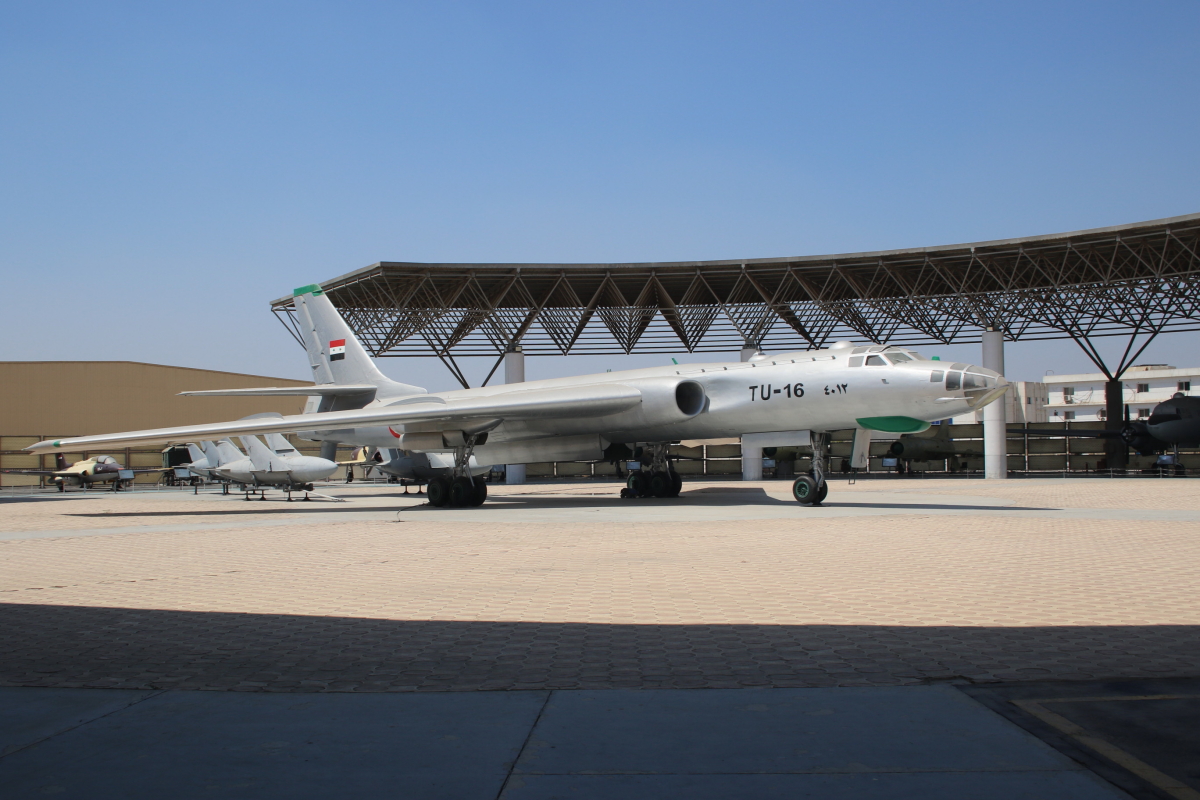
seen and photographed aircraft, in particular the very impressive Tu-16
Badger..
|
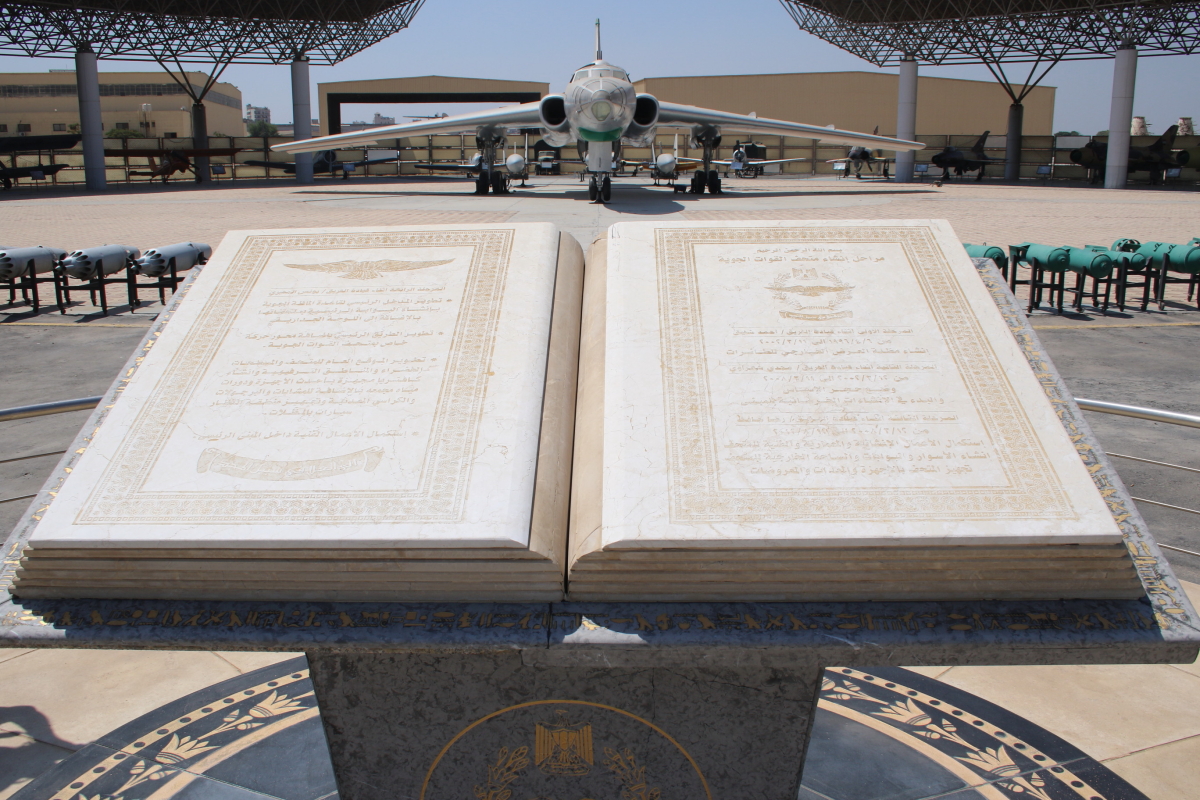
Memorial
to Egyptian Airforce pilots with a Tupolev TU-16 twin-engined jet
strategic heavy bomber in the background.
|
Located within the
Almaza Air Base in Heliopolis, Cairo, the Egyptian Air Force Museum
offers a rich and immersive journey through Egypt’s aviation
history—from the humble beginnings of de Havilland biplanes in the
1930s to state-of-the-art jet fighters. Opened in May 2016, it stands
as both a national memorial and an educational hub.
The
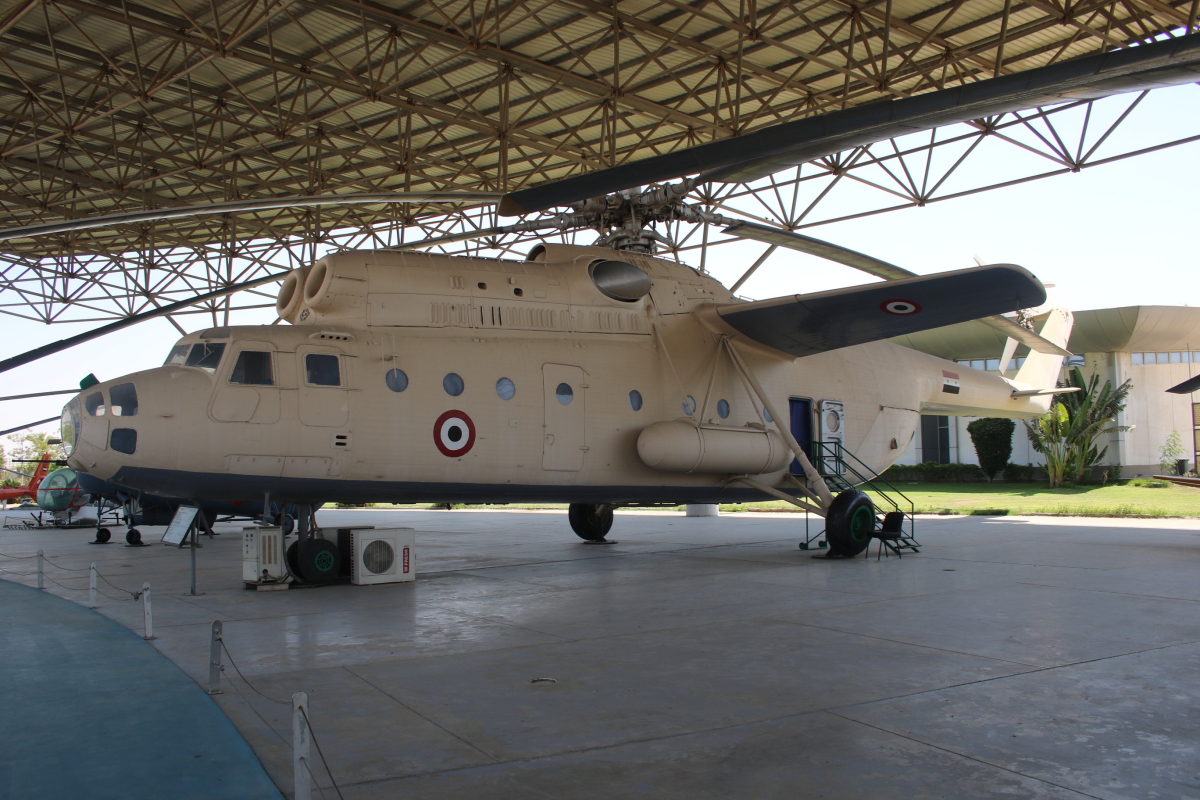
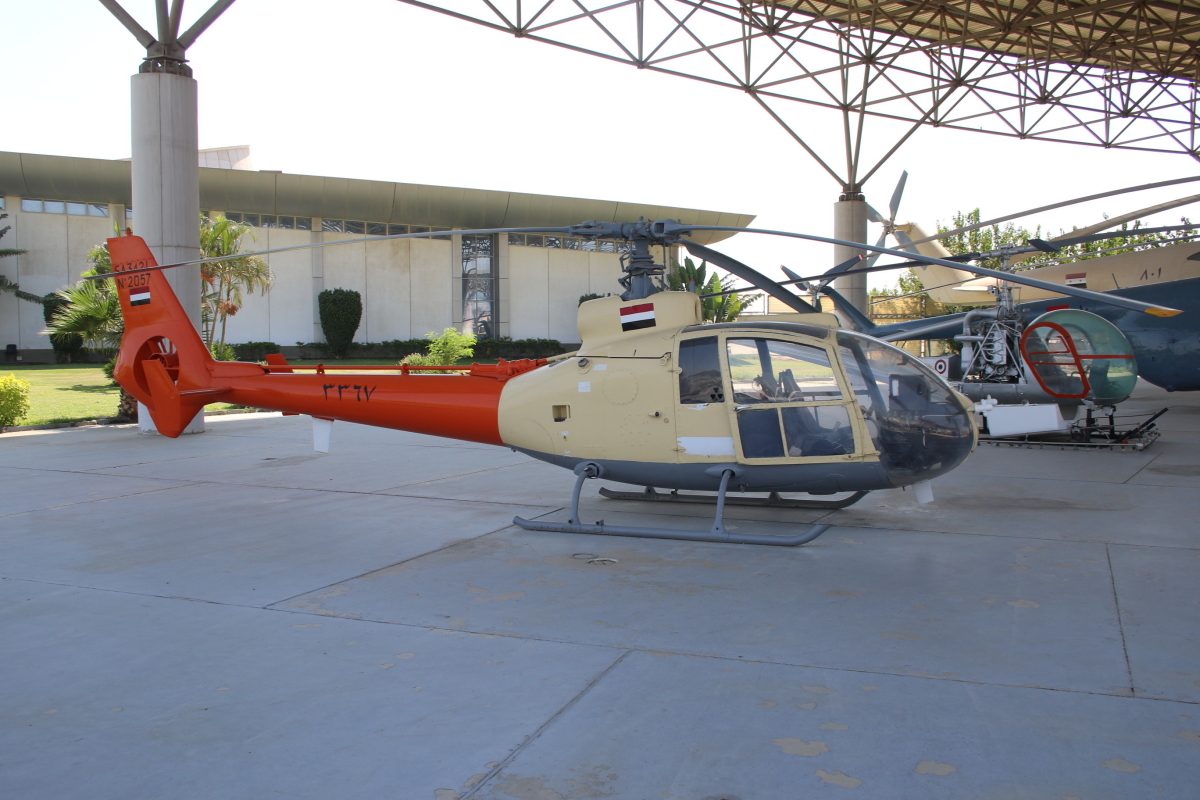
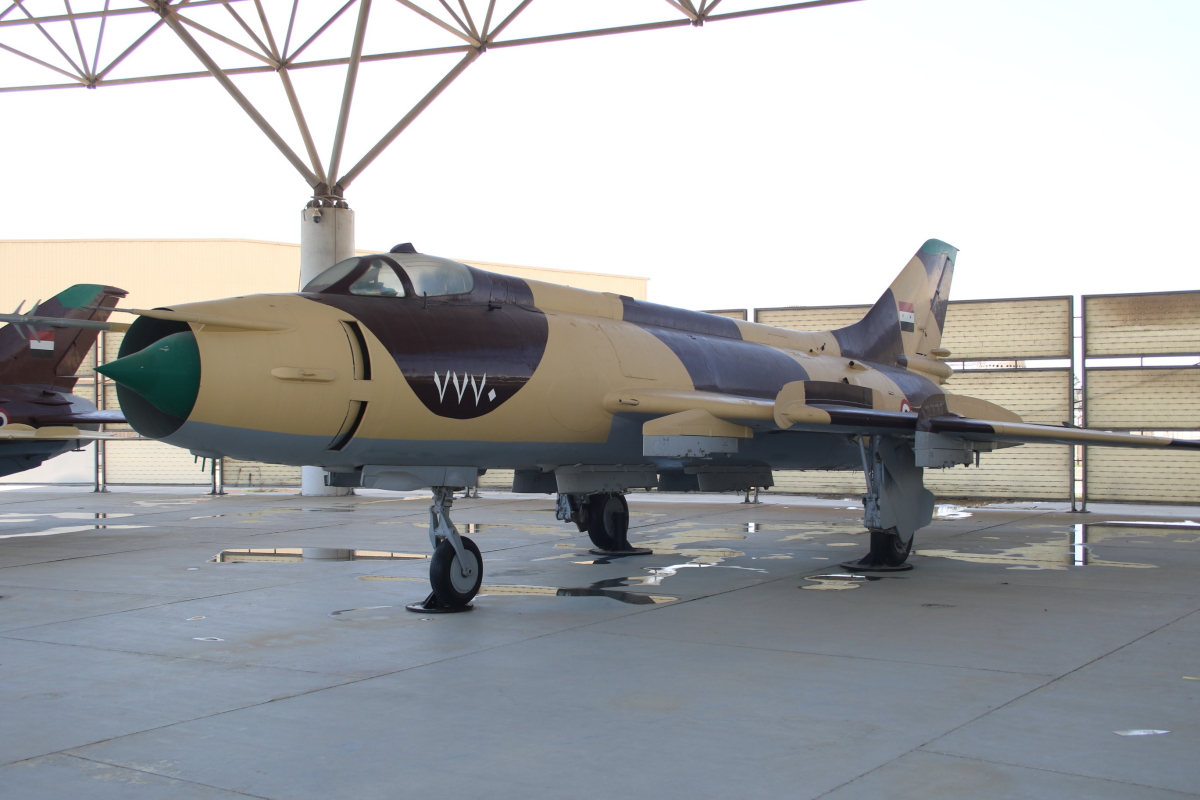
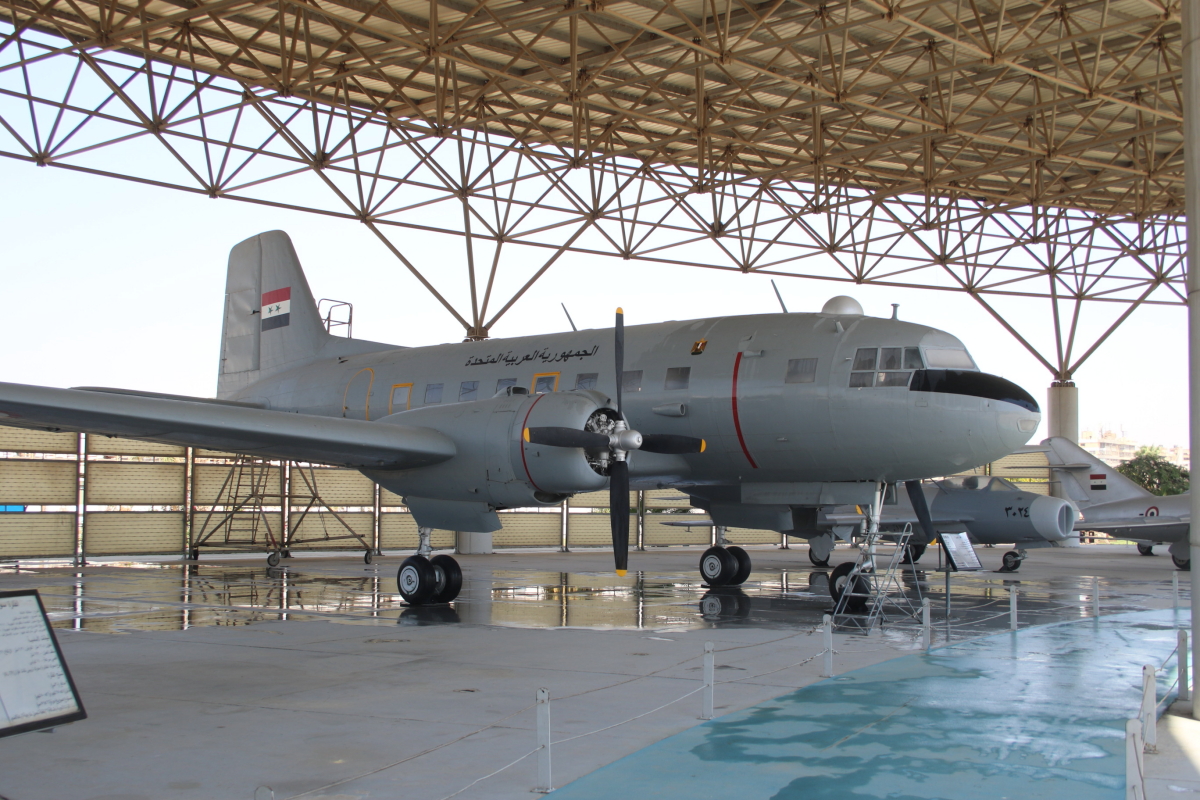
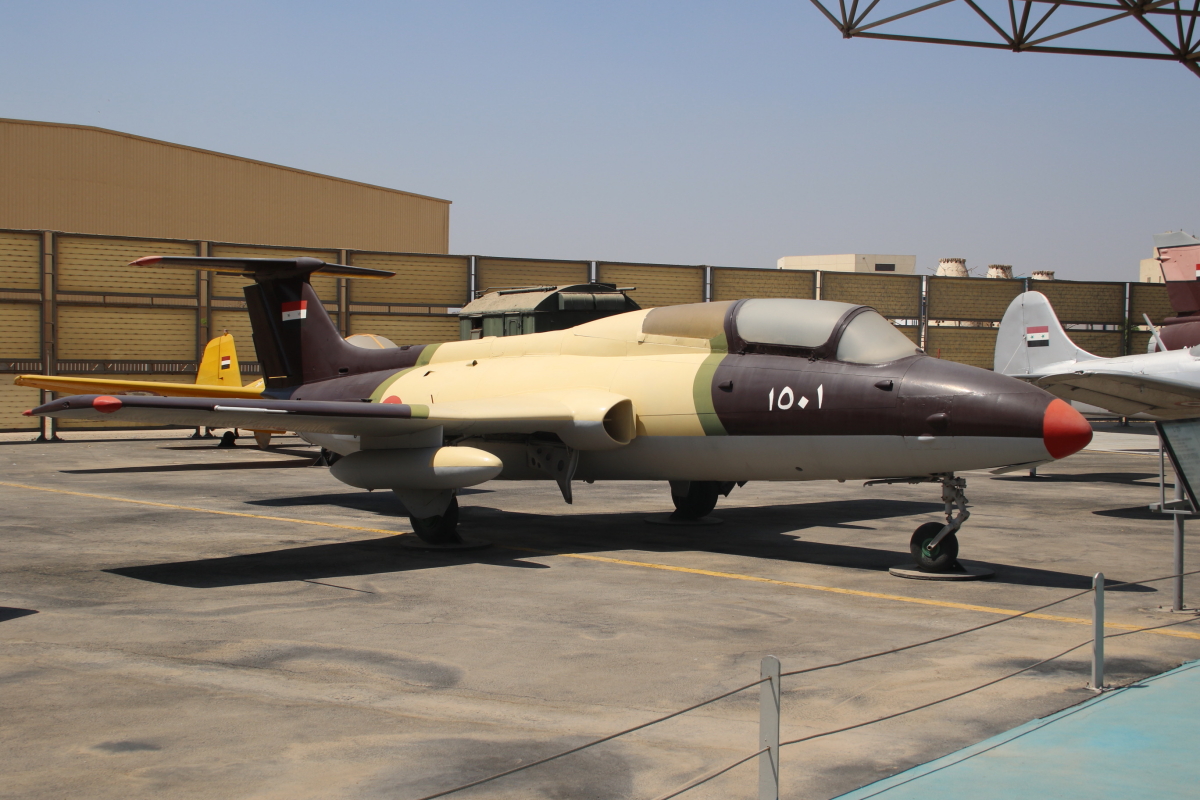
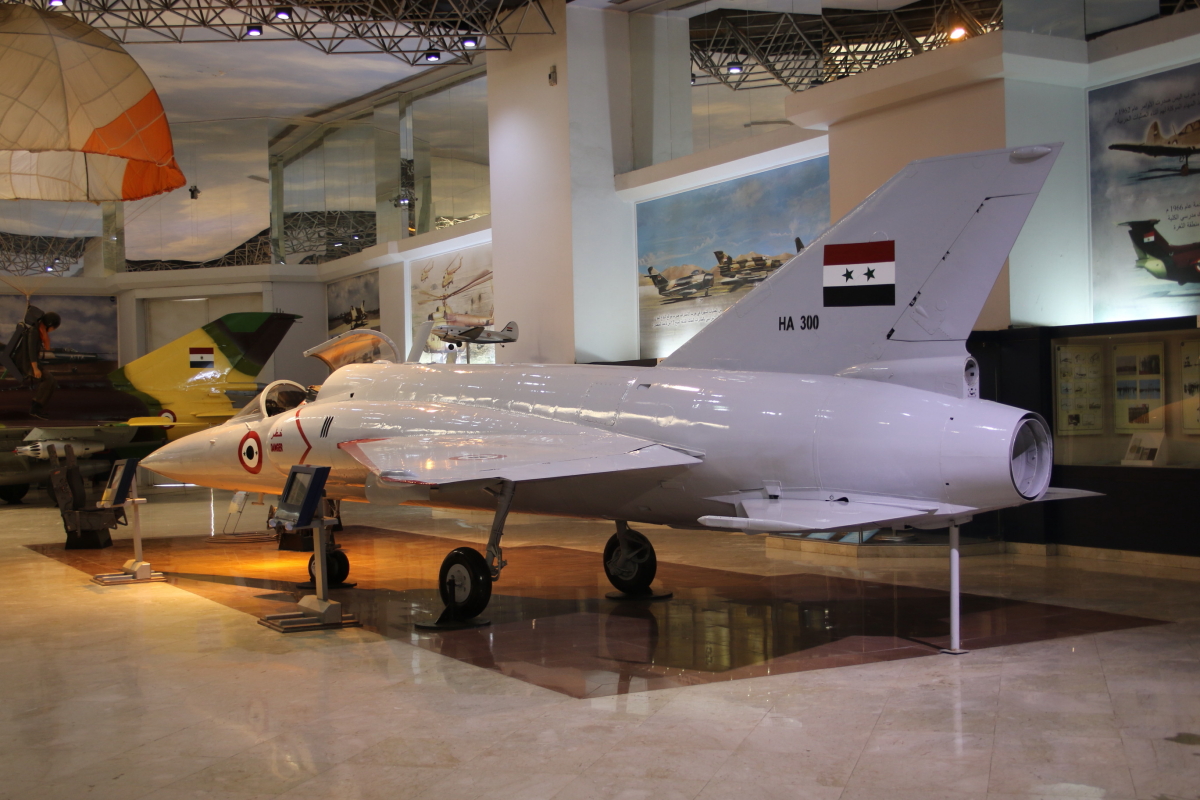
museum is renowned for its unique and diverse collection of combat
aircraft and helicopters from various international sources, including
the Soviet Union, the United States, and France. This reflects Egypt's
shifting geopolitical alliances over the decades.
|
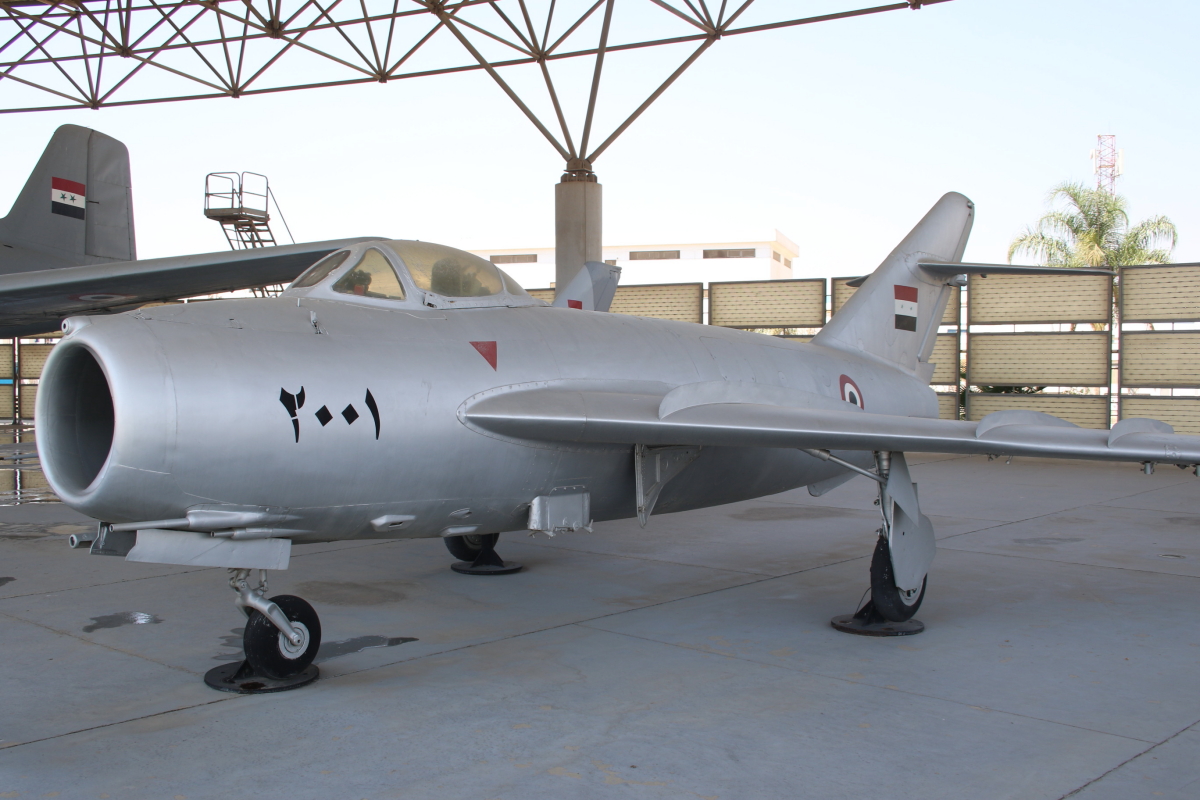
The
MiG-17 aircraft equipped the Egyptian Air Force from the 1950s into the
1980s. The Egyptians obtained MiG-17s from various countries until they
had hundreds.
|
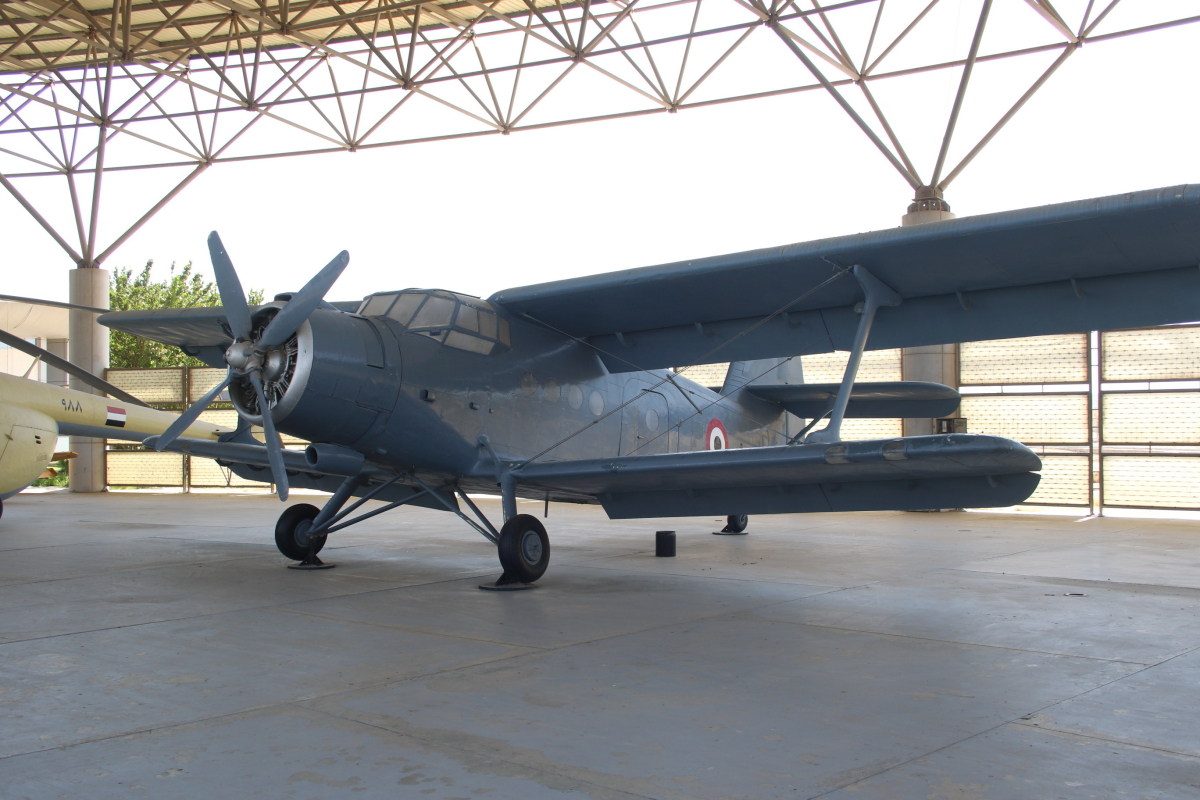
Early aircraft used by the
Egyptian Air Force, including biplanes from the 1930s. Continuing to
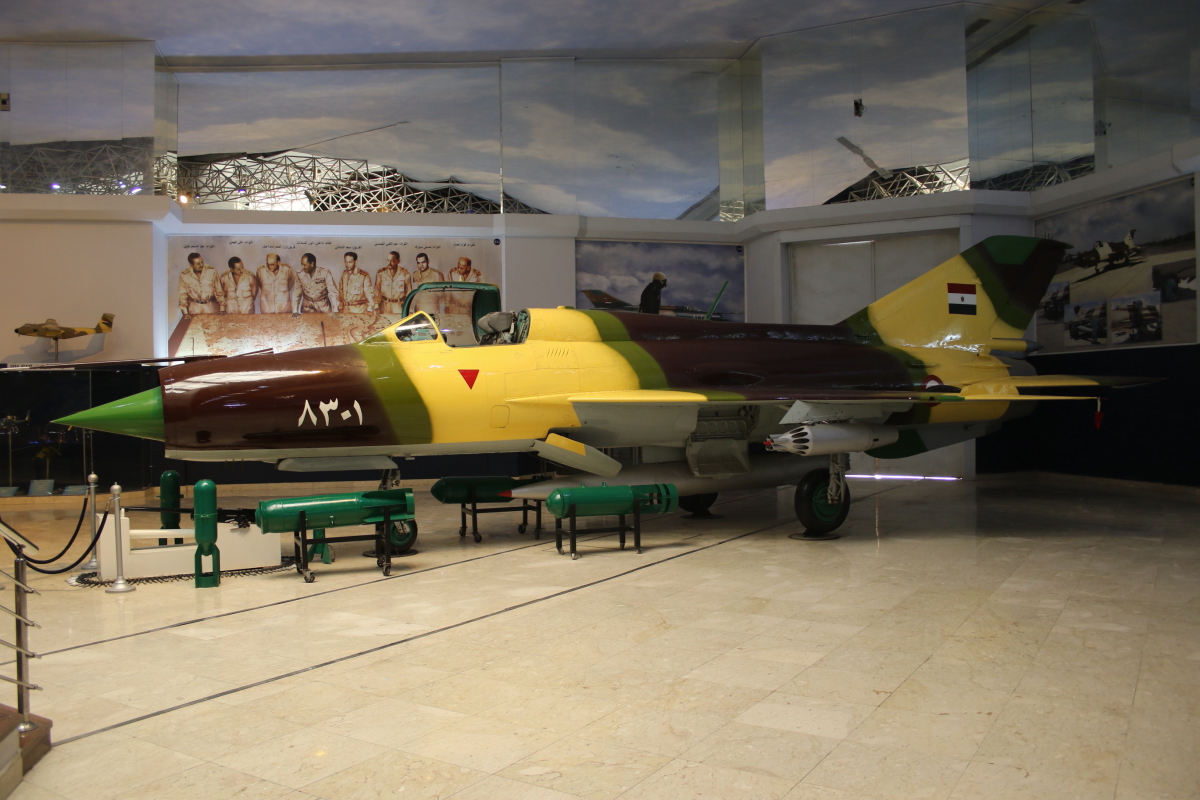
the early jet fighters off Russian origin such as MiG-15, MiG-17, and
MiG-21, which were used during major conflicts like the Suez Crisis
(1956) and the Six-Day War (1967).
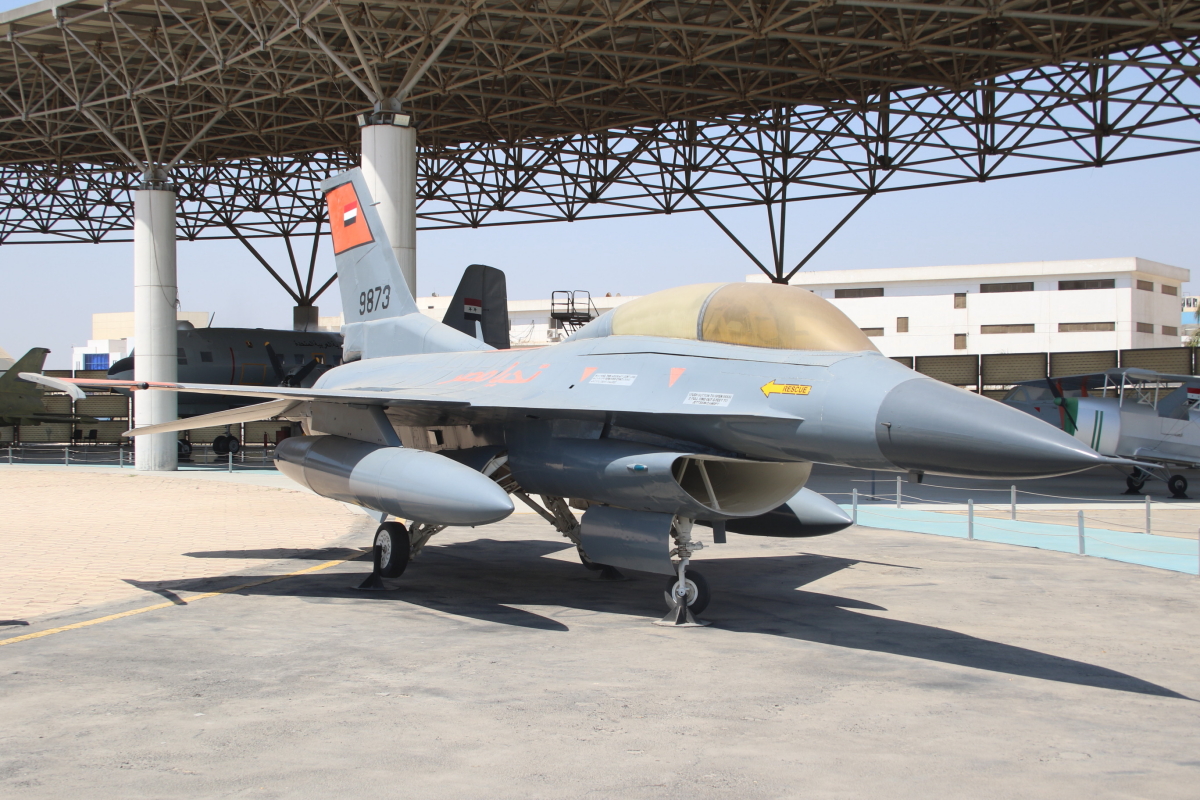
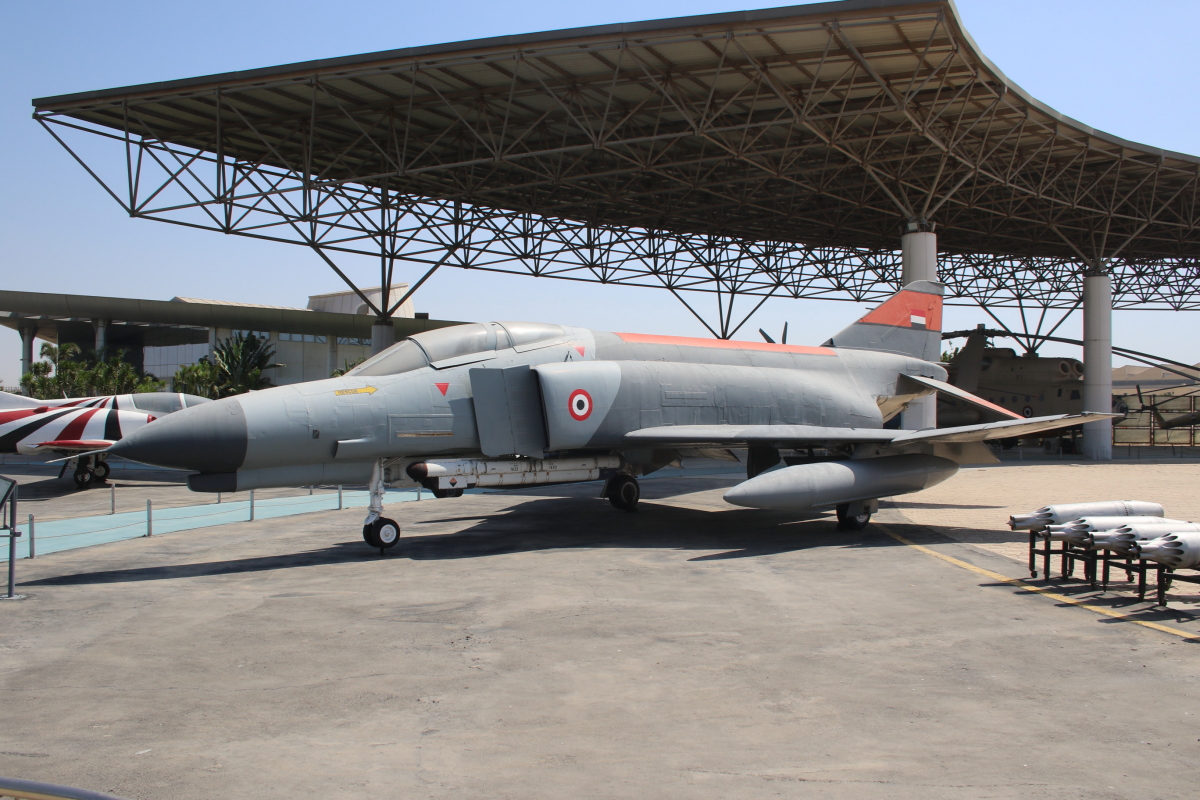
Modern aircraft, like the Mirage 5E, F-4E phantom and F-16 Fighting
Falcon, representing Egypt’s shift from the Russian aircraft to more
western types.
|
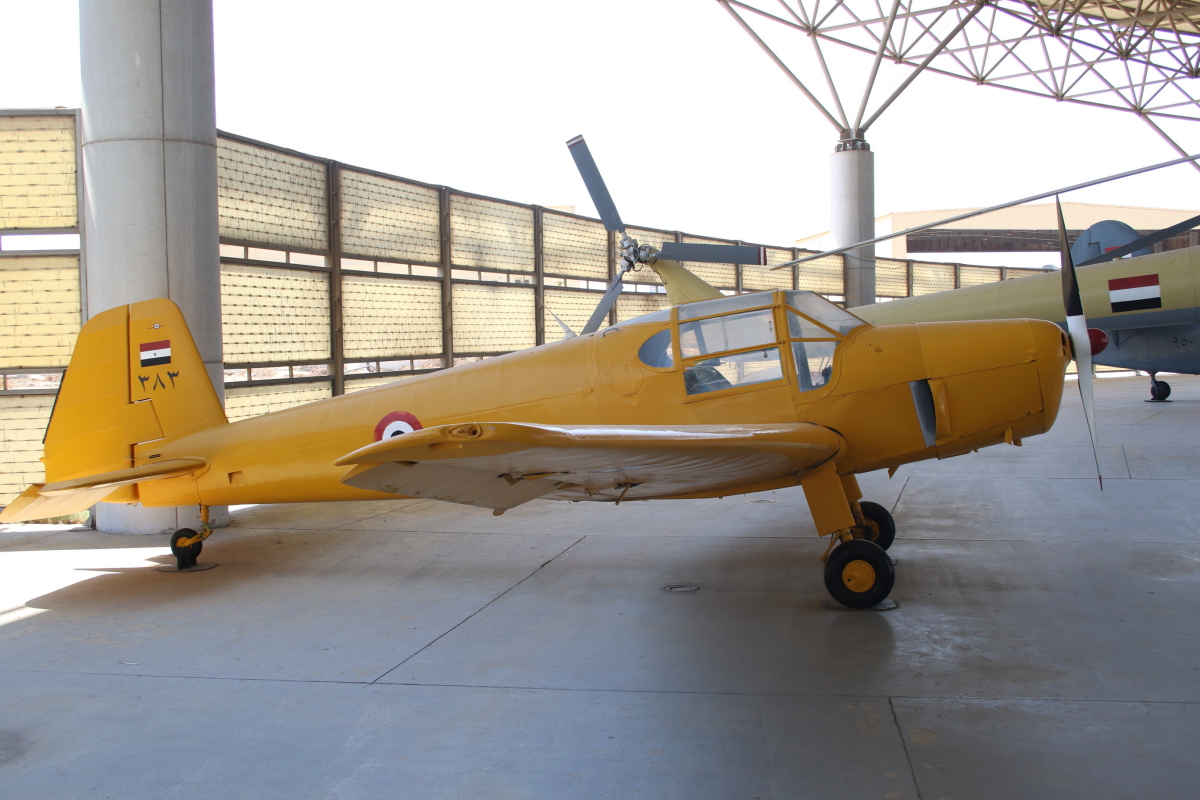
In
1950,Heliopolis air works (Egypt) manufactured a local version of the
German Biicker Bu 181D Bestmann as the Gomhouria trainer for Egypt,
Jordan, Libya, Saudi Arabia, Somalia and the Sudan.
|
In the inside part off the
museum, the Hall of Martyrs—among other areas—tells the story of pilots
who lost their lives during historical conflicts (such as the 1973 Yom
Kippur War) through photographs, personal belongings, and documents.
The stories are told in different conflict Galleries:
• 1948 Arab–Israeli War – early engagements of the newly formed air
force
• 1956 Suez Crisis – losses and the introduction of Soviet MiG and
Il-28 aircraft
• 1967 Six Day War & War of Attrition – devastating losses followed
by rebuilding under Air Marshal Madkour Abu El Ezz
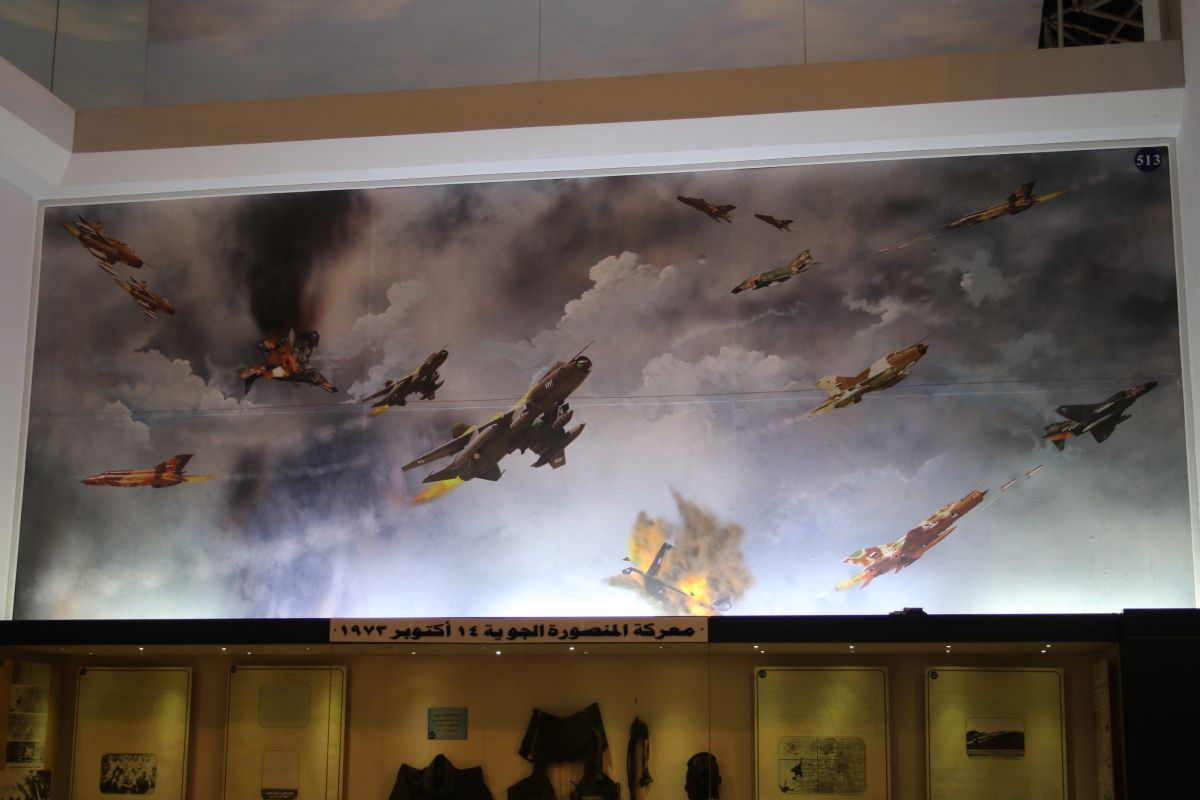
• 1973 October War (Yom Kippur War) – detailed coverage of the
celebrated air strike campaign and the longest air battle near El
Mansoura.
|
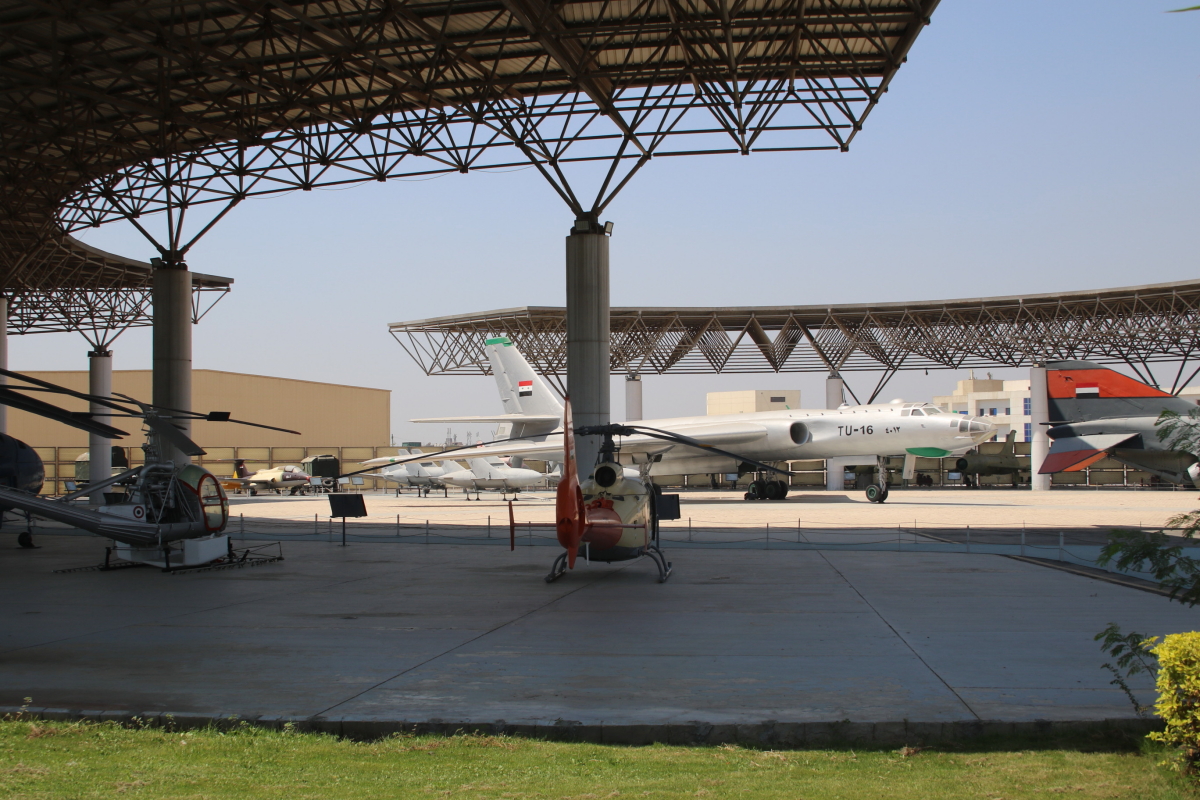
The
central item in the outside
is the Tupolev Tu-16 in de middle of the circle.
|
In addition to these stories,
the inside space off the museum provides an overview of the air force's
origins and a look at its history through documents, aircraft, and
panoramic displays..
|
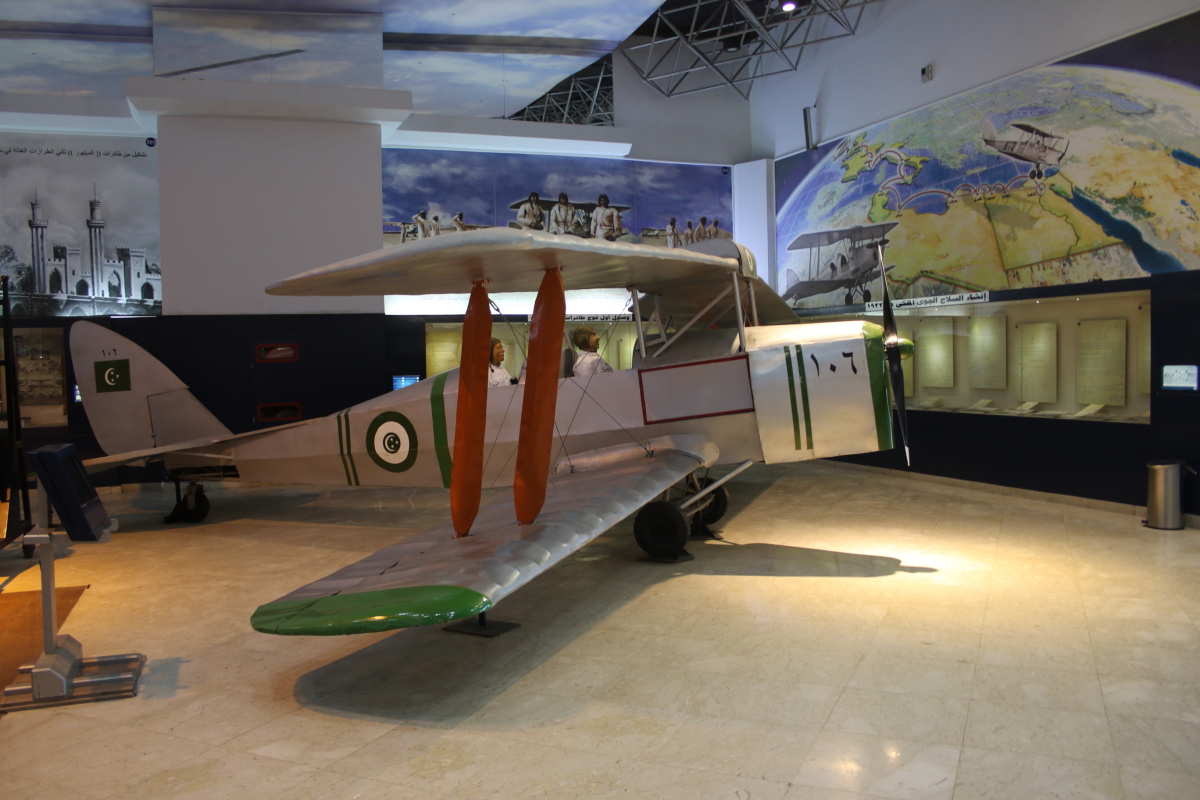
The
DH.60T Moth was one of the founding Egyptian Army Air Force aircraft from 1932, and has the
Royal Egyptian Air Force insignia as worn from 1945–1958.
|
|