Florennes June 2026
Article and
pictures by Rolph Klijn
Belgian Air Force
Days 2026 – 80 Years of History, Ready for the Future
After
a ten-year absence, the Belgian Air Force Days returned to Florennes
Air Base. The 2026 edition marked a special milestone: 80 years of the Belgian Air Force.
While many airshows mainly revolve around spectacular flying displays,
Belgian Defence clearly used this event to show how the Air Component
is developing into a modern air force ready for the decades ahead.
Visitors to the event effectively saw two eras side by side. On one
hand, there was history, represented by historic aircraft such as the
Supermarine Spitfire. On the other, there was the latest generation of
aviation systems that will define the face of the Belgian Air Force in
the years to come. The formation flight of a Spitfire with a Belgian
F-35A was perhaps the symbolic moment of the weekend: eighty years of
development brought together in a single flypast..
|
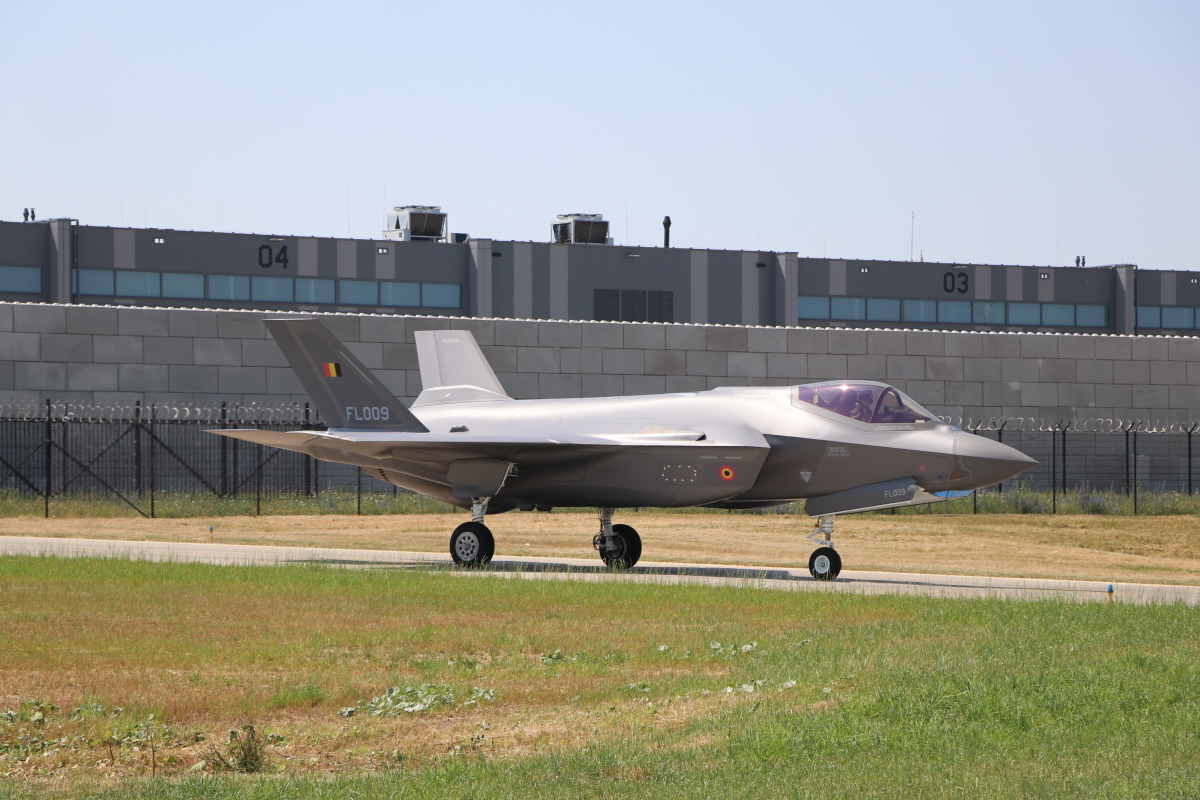
The
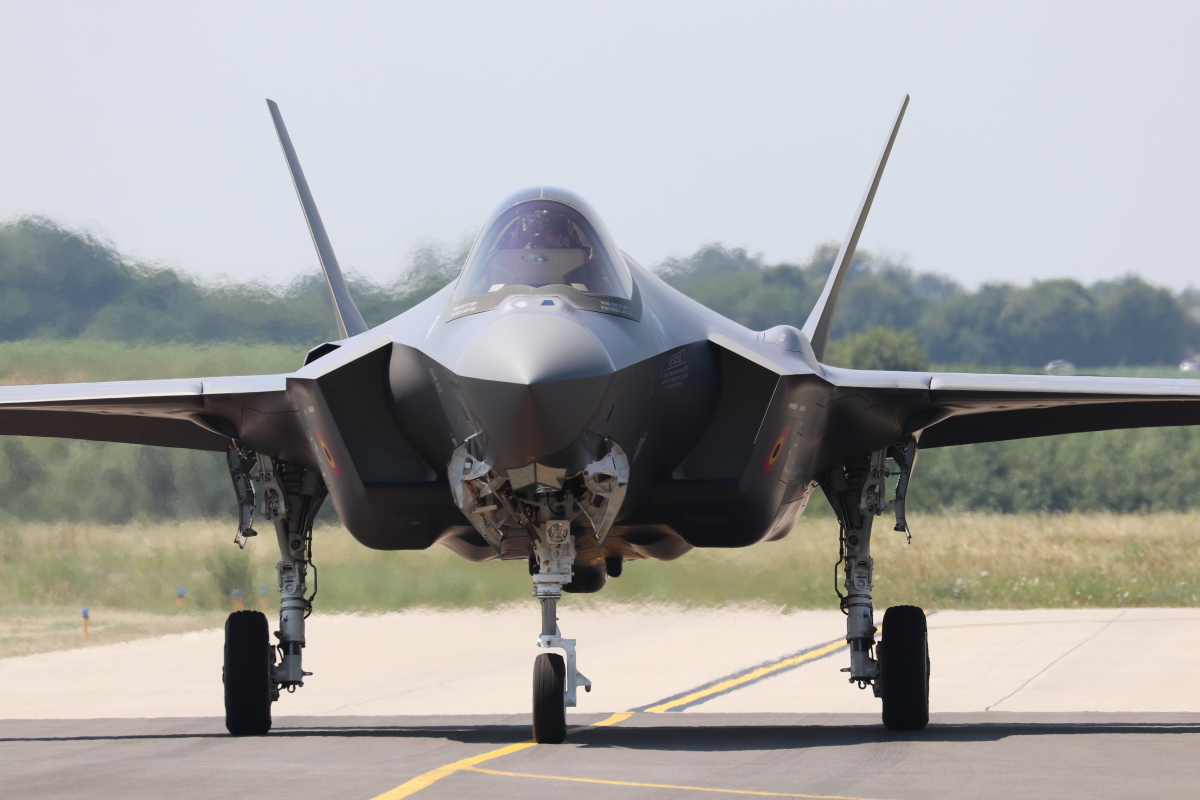
new kid on the block the
Lockheed Martin F-35A Lightning II.
|
From F-16 to F-35
The biggest change is
undoubtedly the introduction of the Lockheed
Martin F-35A Lightning II.
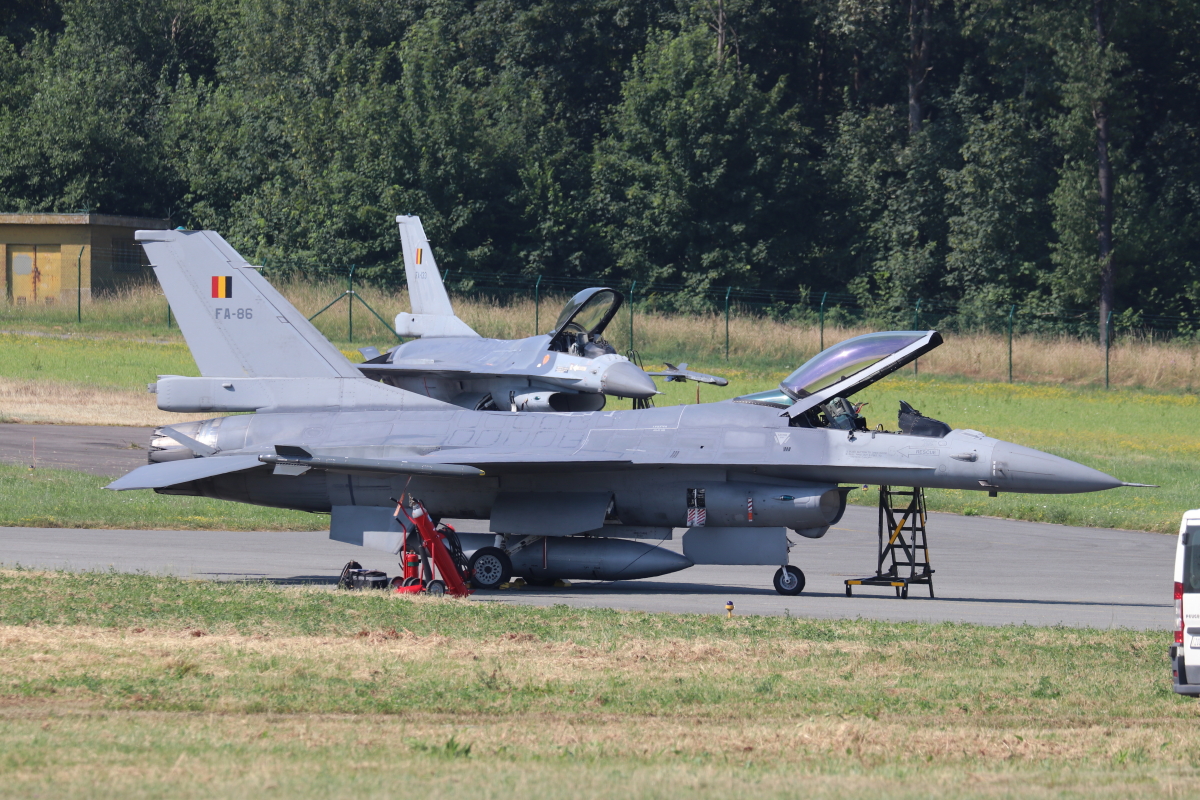
The F-16 has formed the backbone of Belgium’s fighter fleet since the
late 1970s, but it is gradually reaching the end of its operational
life. The F-35 will take over that role in the coming years.
The transition to the F-35 means much more than simply acquiring a new
aircraft. The F-35 is designed as a flying sensor system that collects,
processes and immediately shares information with other units. This
also changes the way air operations are conducted. Speed and armament
remain important, but the vast amount of information the aircraft can
gather and distribute is increasingly decisive.
Belgium is thereby joining a growing group of NATO countries that have
also chosen the F-35, including the Netherlands, Denmark, Norway,
Italy, the United Kingdom, Finland and Poland. This shared choice
ensures a high degree of interoperability during international
missions, joint training and logistical support.
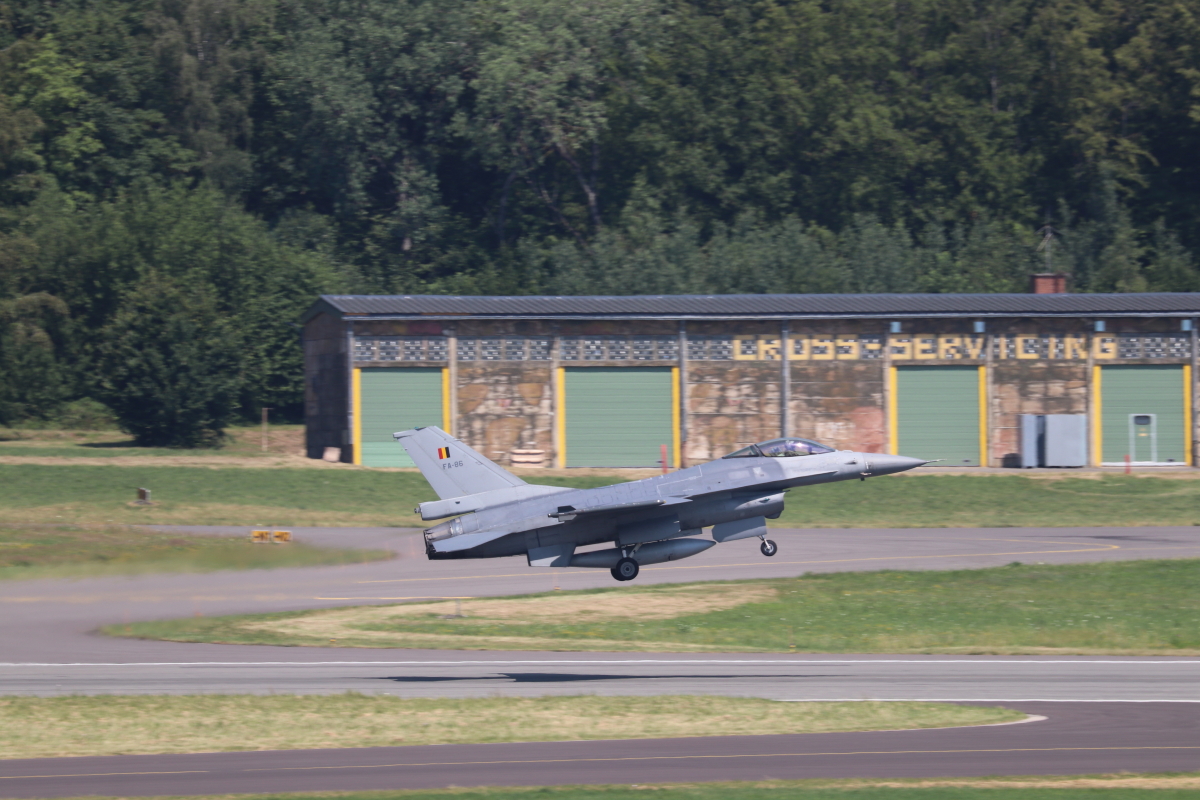
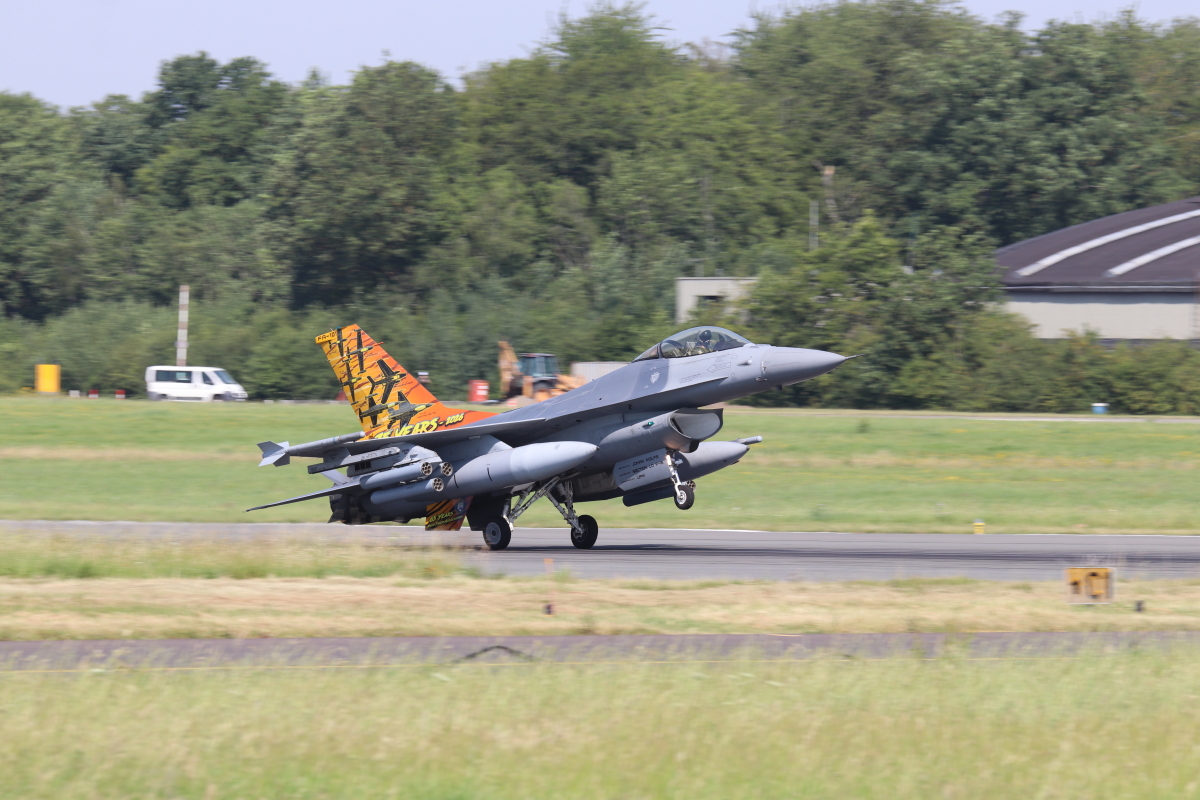
Yet the F-16’s story is not quite over. Even in the final phase of its
Belgian service, the Fighting Falcon continues to demonstrate its
operational value. Recent Belgian trials with LAU-131A/A rocket pods
and Thales FZ275 laser-guided rockets show how the aircraft can still
be adapted to emerging missions, including the counter-UAS role. In an
era in which inexpensive drones are becoming an increasingly serious
threat, this gives the veteran F-16 a very contemporary relevance: not
as yesterday’s aircraft, but as a proven platform still capable of
delivering practical and affordable solutions for today’s air force.
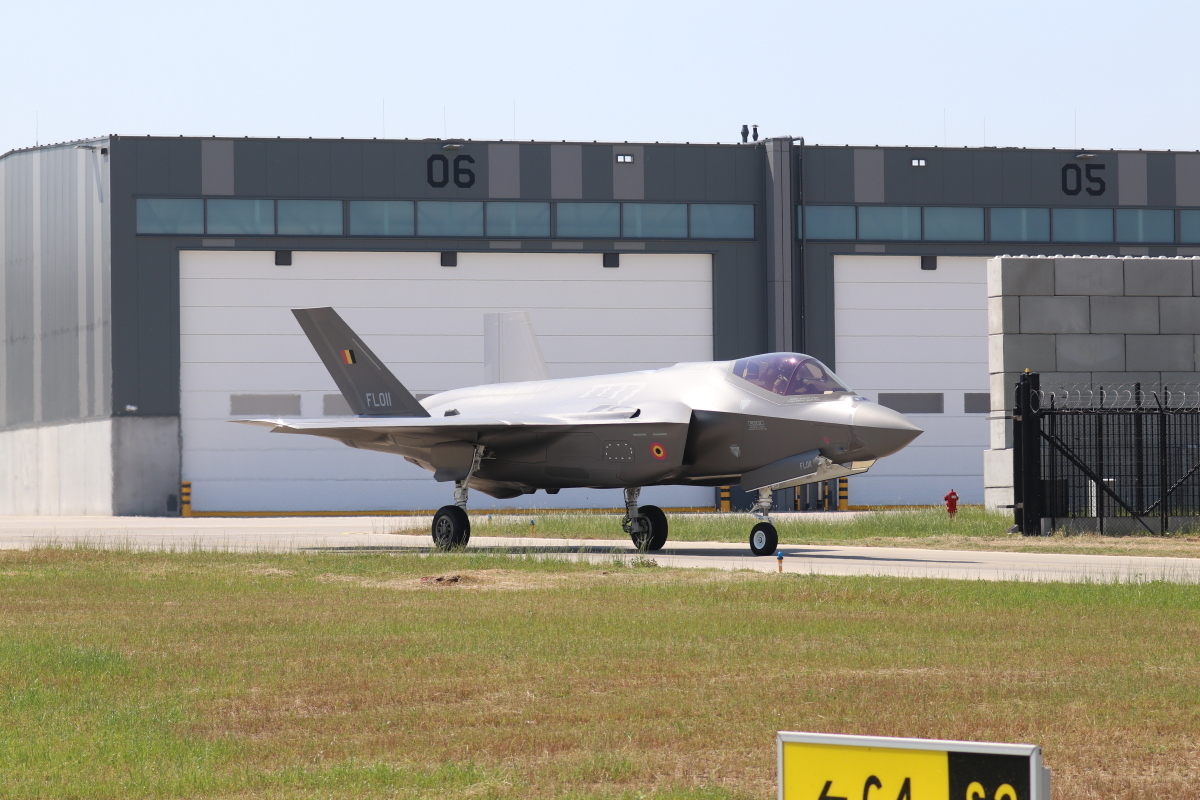
Florennes itself is also visibly changing with the arrival of the new
aircraft. Around the air base, extensive construction work is underway
on new infrastructure, including secure shelter complexes, maintenance
facilities and adapted operational buildings. During the Air Force
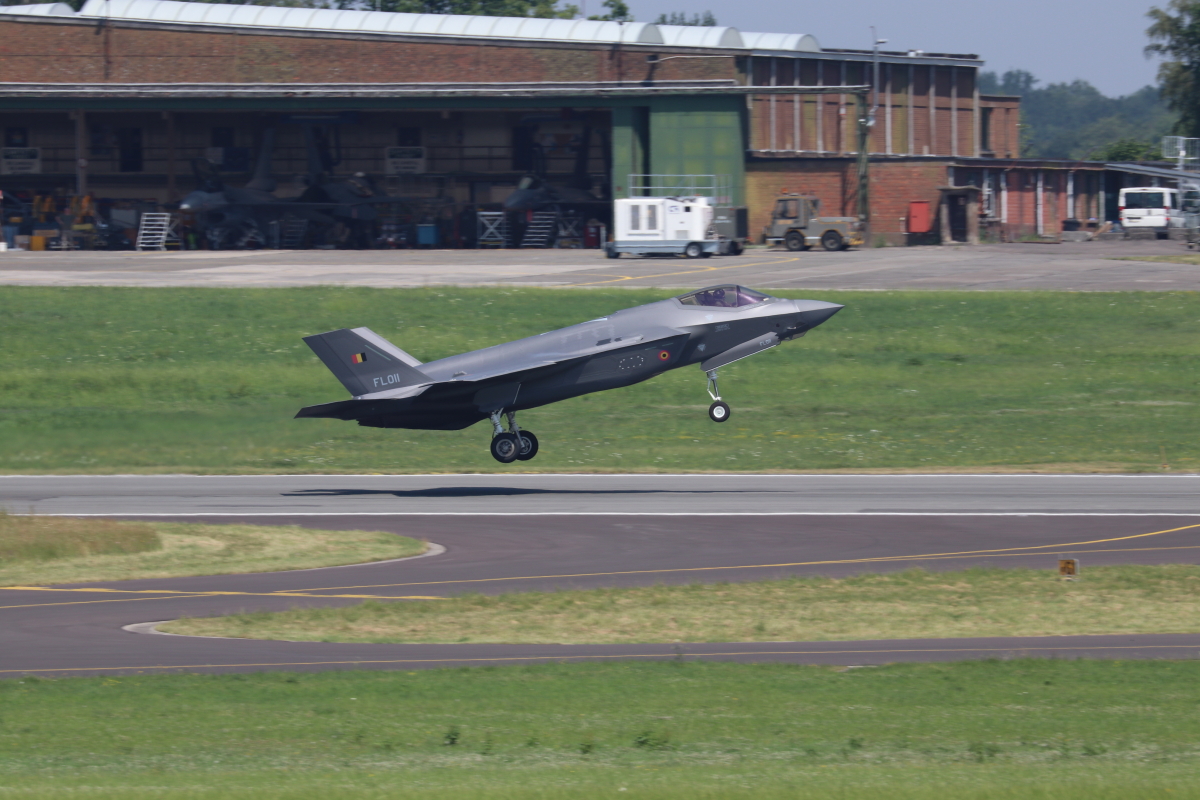
Days, it was clearly visible how a Belgian F-35 taxied from the newly
equipped, heavily secured shelter area to the runway — a tangible
illustration of the modernisation currently taking place.
|
Still
going strong and adapting for new roles.
|
A New Helicopter for a
Broad Range of Missions
The fighter fleet is not
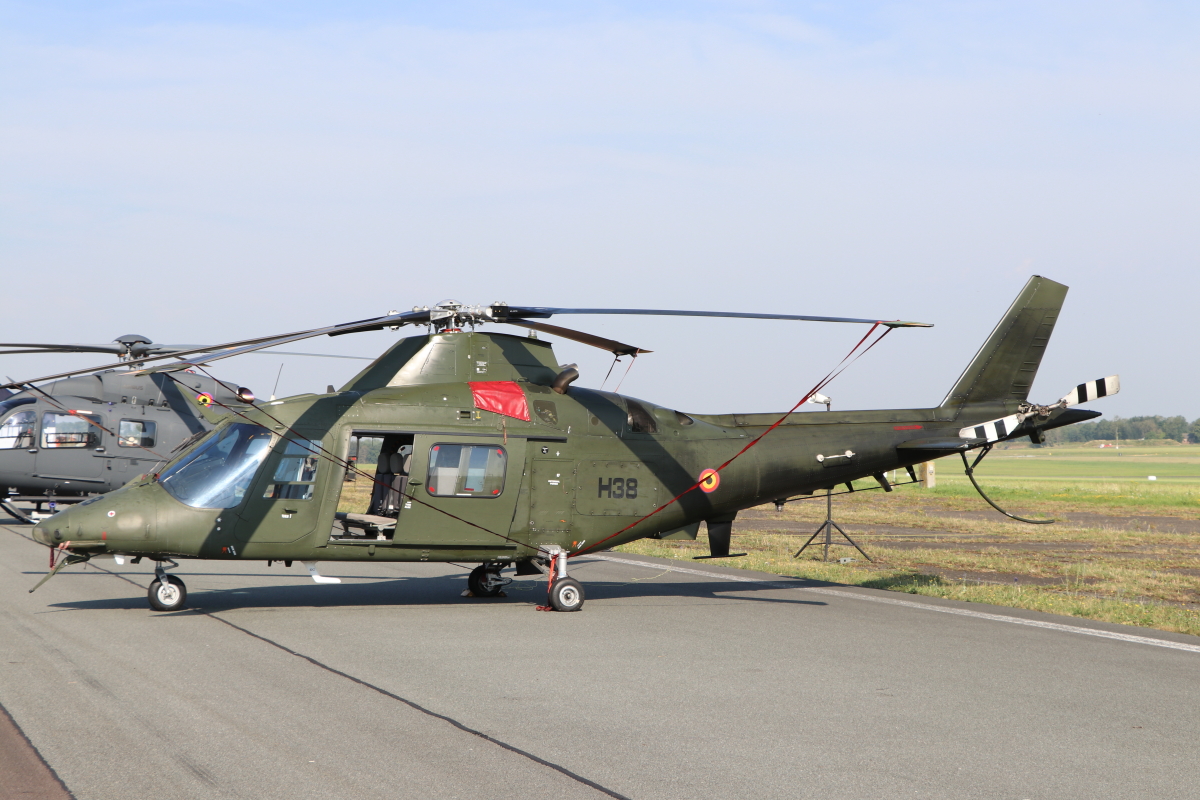
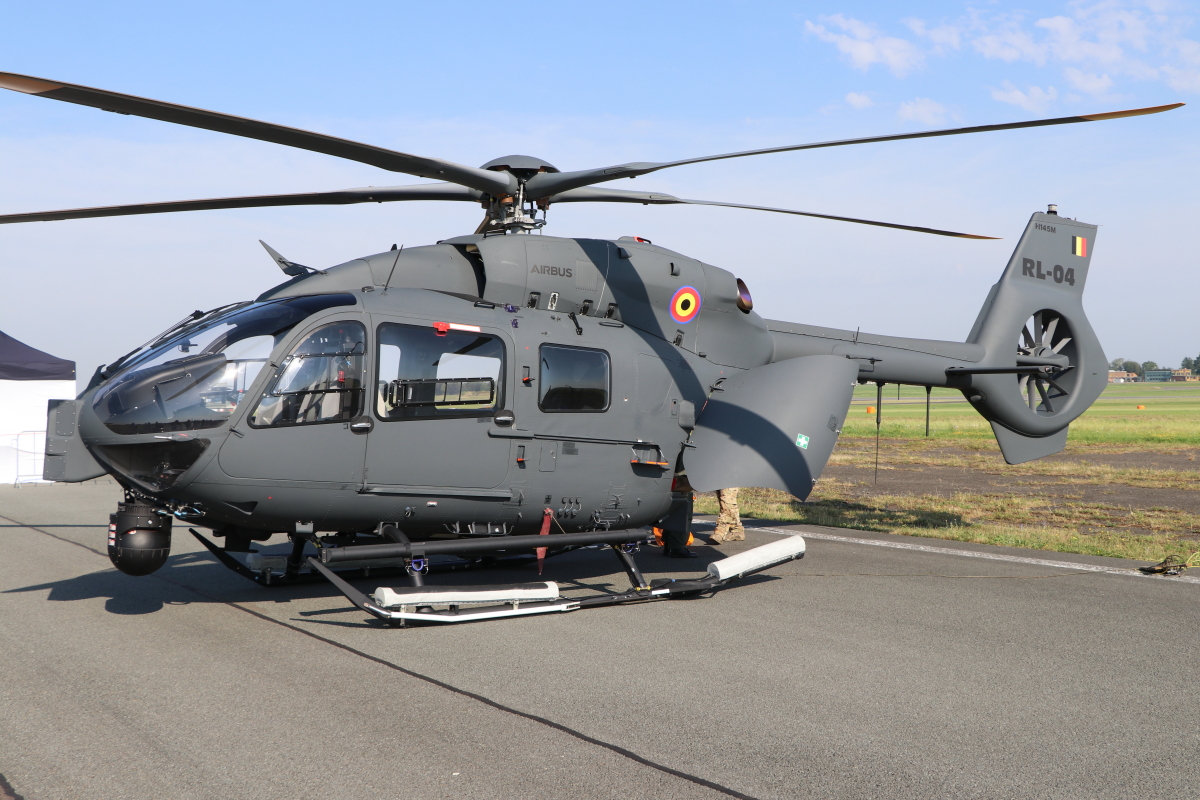
the only part being renewed. In the coming years, the familiar Agusta
A109 will also make way for the Airbus
H145M.
Where the A109 was used for many years for training, liaison duties and
light operational missions, among other tasks, the H145M offers
significantly greater capabilities. The aircraft is used worldwide for
transport, special operations, medical evacuation and support to ground
forces. Thanks to its modular design, the helicopter can be adapted
relatively easily for different missions.
The choice also fits within a broader European trend in which more and
more countries are selecting the H145. This standardisation makes joint
training, maintenance and international cooperation simpler and more
efficient.
2 Squadron Regains a
Reconnaissance Role
Belgium is also taking a major step forward in the unmanned domain.
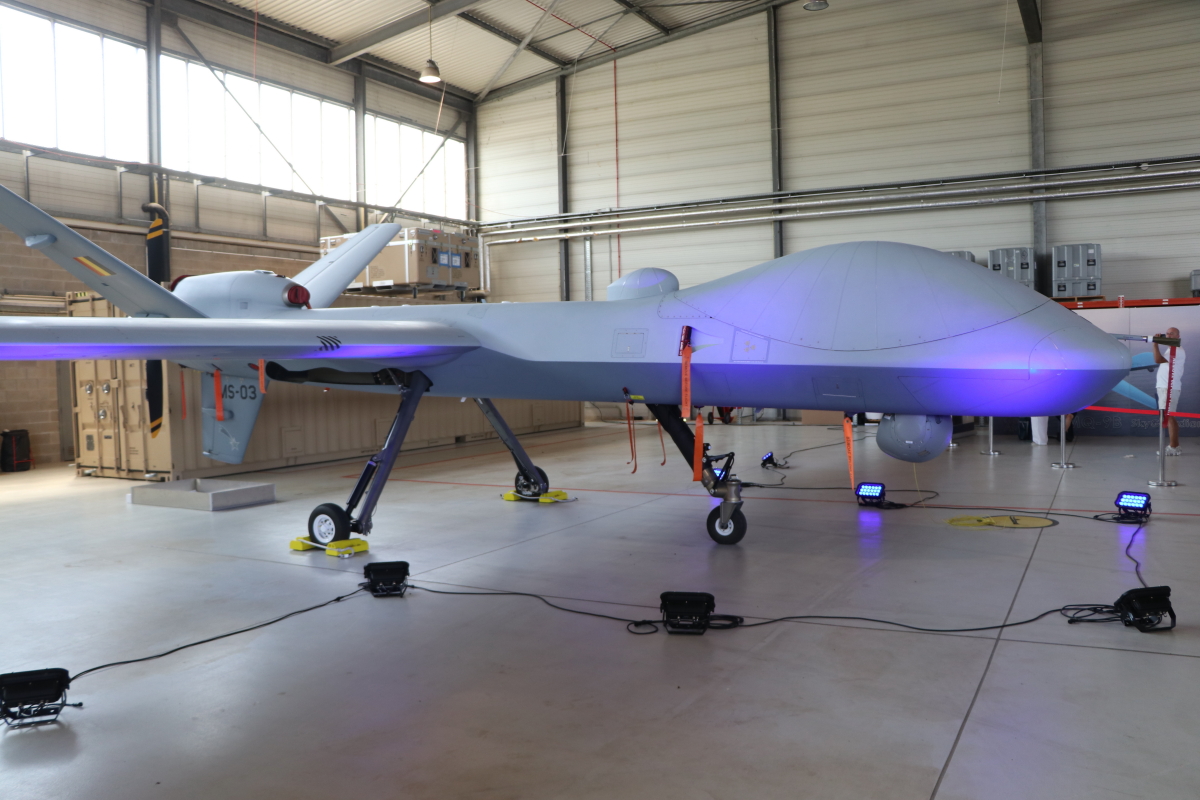
During the Belgian Air Force Days, the MQ-9B
SkyGuardian was prominently present. The new SkyGuardian will
play an important role within 2
Squadron,
a unit with a rich history. The squadron was established after the
Second World War as a reconnaissance unit and flew aircraft such as the
Spitfire, Hawker Hunter and later the Mirage 5 in the tactical
reconnaissance role. After the disappearance of manned reconnaissance
aircraft, that tradition continued, but it is now being given a
contemporary form with modern remotely piloted aircraft.
The MQ-9B has a considerably greater range and longer endurance than
its predecessor and can collect information over an operational area
for extended periods. This makes the aircraft an important addition to
the information position of both Belgium and NATO.

|
Celebrating
over 80 years of flight a Spitfre and Lightning II.
|
|